
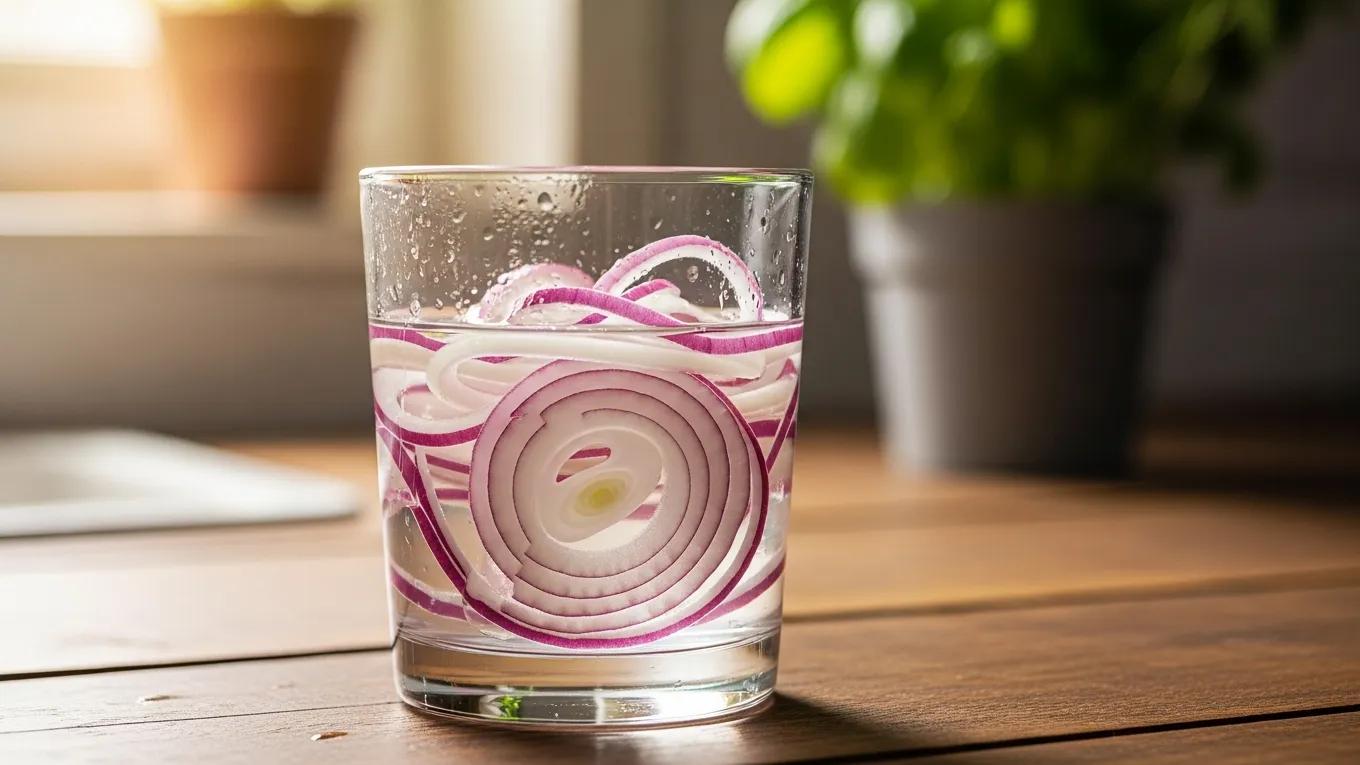
onion boil
Onion Boil Health Insights: How Purified Water Enhances Onion-Based Remedies

Onion water—often called an onion boil or onion infusion—is a simple home remedy made by extracting water-soluble compounds from Allium cepa into hot or room-temperature water. When onions are boiled or steeped, compounds such as quercetin and sulfur-containing molecules diffuse into the water, producing a mildly flavored infusion that supports hydration and can complement symptom relief for colds or digestive discomfort. This article explains the plausible health benefits, why water quality matters, clear preparation methods, and safe storage practices so you can make onion water effectively at home. You will learn what the research-backed mechanisms are, practical step-by-step recipes, comparisons of boiling versus steeping, and sensible cautions for daily use. Throughout, the guide emphasizes using purified or filtered water to preserve flavor and safety, and it maps where high-quality commercial water fits into preparing reliable home remedies.
What are the health benefits of onion boil water?

Onion boil water concentrates several onion-derived compounds that have plausible health roles: quercetin (an antioxidant), sulfur-containing molecules (anti-inflammatory and antimicrobial qualities), vitamin C traces, and fermentable fibers that may act as prebiotics. These constituents together can support immune resilience, reduce oxidative stress, and assist digestion when consumed as part of a balanced diet. The evidence is modest and largely supportive rather than conclusive, so onion water should be seen as one supportive measure alongside hydration and nutrition rather than a cure. Understanding specific compounds helps set realistic expectations for effects and guides how to prepare and consume the infusion for best results.
Onion-derived compounds and their commonly discussed benefits:
- Antioxidant action: Quercetin and related flavonoids help neutralize free radicals.
- Anti-inflammatory support: Sulfur compounds may reduce mild inflammation linked to colds.
- Digestive support: Prebiotic fibers can feed beneficial gut bacteria.
These benefits point to onion water as a hydration-forward, food-based approach to comfort and mild symptom support; next we explore how those compounds act in the body and what practical takeaways look like.
Immune support and antioxidants
Quercetin is a flavonoid concentrated in onion flesh that acts as an antioxidant and may modulate inflammatory pathways; recent studies indicate it can reduce markers of oxidative stress and support immune cell function. By extracting quercetin into infusion water, onion boil preparations deliver small, bioavailable amounts that complement dietary intake from whole foods. Practical takeaway: onion water can modestly support immune resilience when used with other supportive measures like rest and overall hydration, but it is not a replacement for medical treatment. Understanding this mechanism helps set expectations and informs how often and in what context to use the infusion.
Research further clarifies how quercetin is transferred from the onion to the water during preparation.
Onion Boiling: Quercetin Transfer to Water
The boiling of onion leads to about 30% loss of quercetin glycosides, which transfers to the boiling water.
Various cooking methods and the flavonoid content in onion, J Terao, 2001
Digestive health and hydration
Onion water contains soluble fibers and molecules that may act as mild prebiotics, feeding beneficial gut microbes and promoting regularity when combined with adequate fluid intake. Additionally, the act of consuming warm or cool infusion increases overall hydration, which directly supports digestion and gut motility. Practical guidance: drink small portions (for example, a cup or two spread through the day) alongside meals or between meals to aid digestion; avoid excessive amounts if you experience GI sensitivity. These digestive benefits lead naturally into why the water you use matters for both safety and flavor.
Further scientific literature supports the role of onion compounds in promoting a healthy gut microbiome.
Onion Fructans: Prebiotic Benefits for Gut Health
Onion (Allium cepa L.) is a common vegetable that contains fiber known as fructans, a type of soluble carbohydrate that acts as a prebiotic, fermented by intestinal bacteria, which output short-chain fatty acids (SCFAs). Fructans, a type of soluble carbohydrate, act as a prebiotic, meaning they feed the beneficial bacteria in your gut. This review underscores the benefits of a high-fiber diet, such as onions, which increases beneficial bacteria in the gut and reduces harmful bacteria. This contributes to a balanced gut microbiome homeostasis, minimizes the risk of certain diseases, and enhances overall gut health.
The Beneficial Effects of Onions on Gut Health: A Review, NZBNZ Noor Zuhair Bakheet NZ, 2025
| Water Type | Key Attribute | Recommended Use for Remedies |
|---|---|---|
| Tap water | Variable minerals; possible disinfectant residuals | Use if well-treated and palatable, but consider filtering for remedies |
| Purified water | Low contaminants; consistent taste | Recommended for delicate infusions like onion water |
| Bottled water | Consistent profile; convenient | Good for travel or when reliable tap quality is unavailable |
This table compares typical water types to clarify why choosing purified or filtered water is often the best option for making home remedies.
Why does water quality matter for onion boil remedies?
Water quality affects both the safety and sensory result of an onion infusion: off-flavors from chlorine, heavy minerals, or microbial contaminants can mask onion compounds and reduce palatability, while contaminants can pose health risks for vulnerable individuals. Using purified or well-filtered water reduces extraneous tastes and potential contaminant load, allowing the intended onion compounds to shine and lowering risk. For home remedies that rely on subtle flavors and mild concentrations of active molecules, the purity and consistency of water are practical determinants of effectiveness and user adherence.
- Tap water: accessible but variable in taste and mineral content; may contain disinfectant residuals.
- Purified water: low in contaminants and off-flavors, offering a neutral base for infusions.
- Bottled water: consistent and convenient, useful when reliable tap quality is not available.
The next subsection explains these differences more directly and provides a compact comparison table for quick reference.
Purified water vs tap water
Purified water typically undergoes processes such as reverse osmosis, distillation, or deionization to remove most dissolved solids and potential contaminants, producing a neutral-tasting base ideal for herbal or onion infusions. Tap water varies by region in mineral profile and disinfectant use; chlorine or chloramine can impart an unpleasant taste that competes with extracted onion flavors. For safety and consistent flavor, many home remedy practitioners recommend filtered or purified water, especially when preparing infusions for children, older adults, or immunocompromised household members. Choosing a stable water source also improves reproducibility across batches, which helps users gauge effects over time.
How Primo Brands supports purity for health remedies
Primo Brands Corporation (water.com) is a company focused on providing healthy hydration and sustainable water solutions, including bottled water, dispensers, and delivery services. The primary goal is to educate consumers and drive sales of their water products.
Primo Brands Corporation offers bottled water and dispenser options that reduce variability in water taste and contaminants, making them practical choices for individuals who regularly prepare onion water at home. Their delivery services increase convenience for those who prefer a ready supply of purified water on-hand, which supports consistent preparation and storage practices for home remedies. Using a consistent, purified water source from a reputable supplier can simplify routine remedy preparation and help maintain flavor and perceived effectiveness.
| Water Option | Characteristic | Practical Benefit |
|---|---|---|
| Bottled water | Consistent mineral profile | Predictable flavor for infusions |
| Water dispensers | On-demand purified water | Convenience for frequent use |
| Delivery services | Scheduled resupply | Keeps a steady supply for regular remedies |
How do you prepare onion water effectively?

Onion water can be prepared by boiling, steeping with hot water, or cold infusion; each method extracts different profiles of water-soluble compounds and affects flavor intensity. The basic mechanism is simple: slicing or crushing onion increases surface area, allowing quercetin and sulfur compounds to leach into water. Proper technique focuses on clean ingredients, appropriate water quality, and timing to balance extraction with palatability. Below is a concise recipe and later a comparison of boiling versus steeping to help you choose the right method for your goals.
Understanding the broader context of herbal preparations helps clarify the various methods used for extracting beneficial compounds.
Herbal Infusions: Preparation & Preservation Guidelines
Herbal preparations are made from herbal drugs, such as whole plant, plant parts, algae, fungi, lichen, exudates, in a crude state in dried or fresh form and extracts with the help of different processes such as infusion, decoction, maceration, distillation, expression, fractionation, purification, concentration, fermentation. These herbal preparations include whole plant or parts, comminuted or powdered herbal drugs, tinctures and extracts, fatty oils, essential oils, expressed juices and processed exudates of herbal materials. Herbal drugs: their collection, preservation, and preparation; evaluation, quality control, and standardization of herbal drugs, 2017
This numbered recipe provides a clear, reproducible method for making onion water at home.
- Ingredients: 1 medium onion (peeled and sliced), 2 cups purified or filtered water, optional sweetener (honey) to taste.
- Preparation: Place sliced onion in a small pot with water; bring to a gentle boil for 5–10 minutes, then remove from heat and steep for 5 minutes.
- Finishing: Strain the liquid into a cup or jar, add a small amount of honey if desired, and consume warm or cool.
- Variations: For a milder infusion, steep slices in hot (not boiling) water for 10–15 minutes; for a cold infusion, place slices in room-temperature purified water and refrigerate overnight.
Note: For best quality and consistent flavor, use purified or filtered water when preparing onion water; Primo Brands Corporation (water.com) provides bottled and dispenser options that many users find helpful for reliable infusions.
Boiling vs steeping: impact on nutrient retention
| Method | Time/Temperature | Extraction Profile |
|---|---|---|
| Boiling | 5–10 min at simmer | Faster extraction, stronger flavor |
| Hot steeping | 10–15 min below boil | Gentler extraction, balanced flavor |
| Cold infusion | Overnight in fridge | Mild flavor, preserves volatile compounds |
This comparison helps you select the preparation method that fits your tolerance for flavor intensity and your goal for nutrient retention.
What are the safety, storage, and best practices for onion water?
Safe preparation practices reduce contamination risk and improve shelf life: always start with clean utensils, peel onions before slicing, and cool infusions promptly before refrigerating. Store strained onion water in a sealed container in the refrigerator and consume within a conservative timeframe; watch for off-odors or turbidity as signs of spoilage. Moderate consumption is sensible—small portions spread through the day—while avoiding excessive daily intake without medical advice. If you have allergies to Allium species, gastrointestinal sensitivities, or take medications that could interact with supplemental compounds, consult a healthcare professional before regular use.
- Refrigerate strained onion water in a clean, sealed container after cooling.
- Use within 48–72 hours for safety and best flavor; discard if the smell or appearance changes.
- Avoid leaving infusions at room temperature for extended periods to reduce microbial risk.
Storage and shelf life
After preparing onion water, allow it to cool to near room temperature, then transfer to a clean jar with an airtight lid and refrigerate immediately. Conservative guidance is to use refrigerated infusion within 48–72 hours to minimize microbial growth and maintain flavor quality. Signs of spoilage include a sour or off smell, visible cloudiness, gas bubbles, or unexpected sliminess; if any appear, discard the infusion. Maintaining a steady supply of purified water and preparing small batches as needed helps ensure freshness and reduces waste.
Potential side effects and cautions
Most people tolerate small amounts of onion water well, but some individuals experience mild gastrointestinal upset, heartburn, or increased flatulence from Allium compounds; allergic reactions are rare but possible. Strong onion aroma and taste may also be socially inconvenient when consumed frequently. If you have chronic health conditions or take regular medications, consult your healthcare provider before adding regular onion infusions to your routine to rule out interactions or sensitivities. For readers interested in reliable water sources for safe home remedies, Primo Brands Corporation (water.com) offers bottled water, dispensers, and delivery services that can simplify consistent preparation and storage.